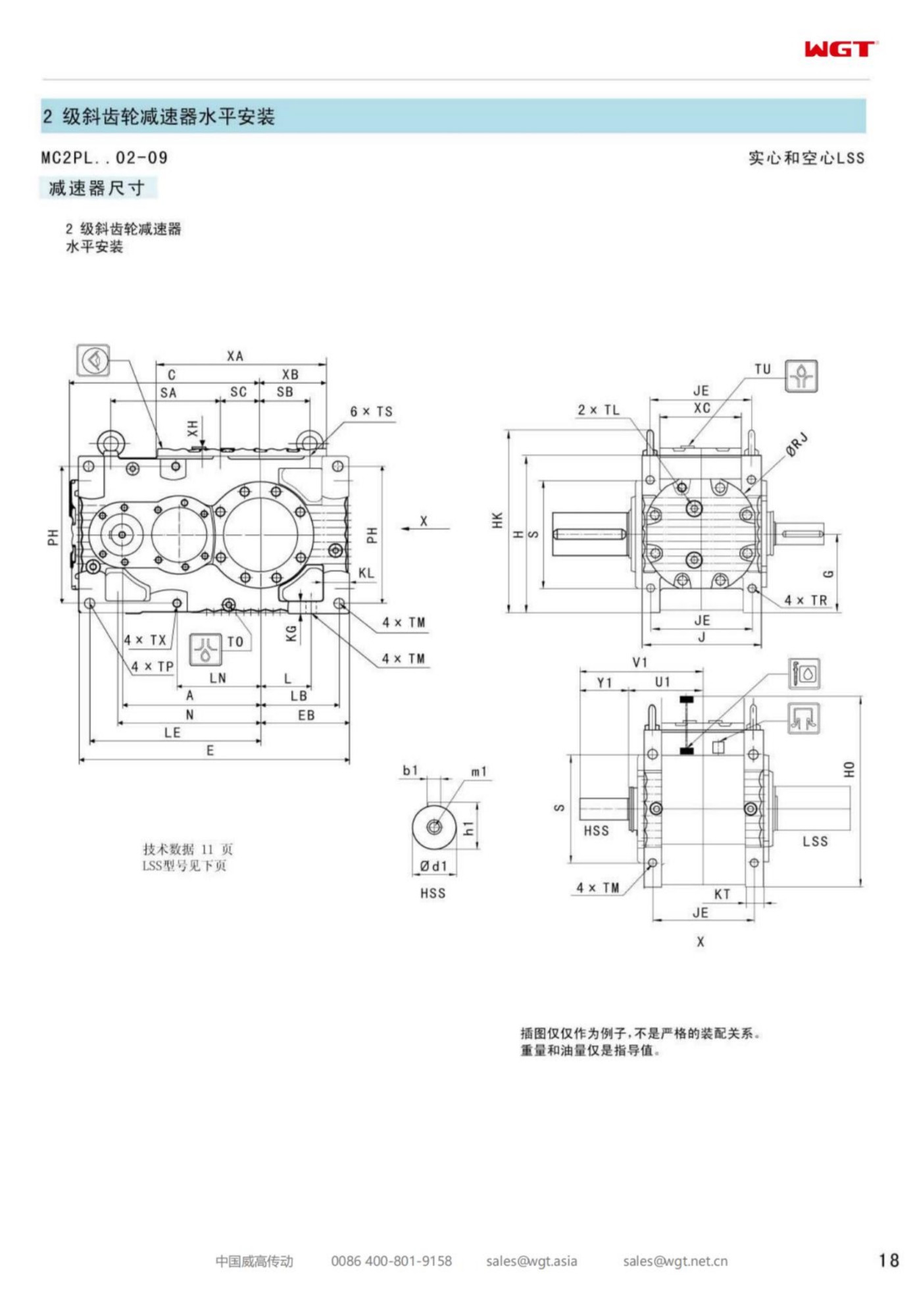
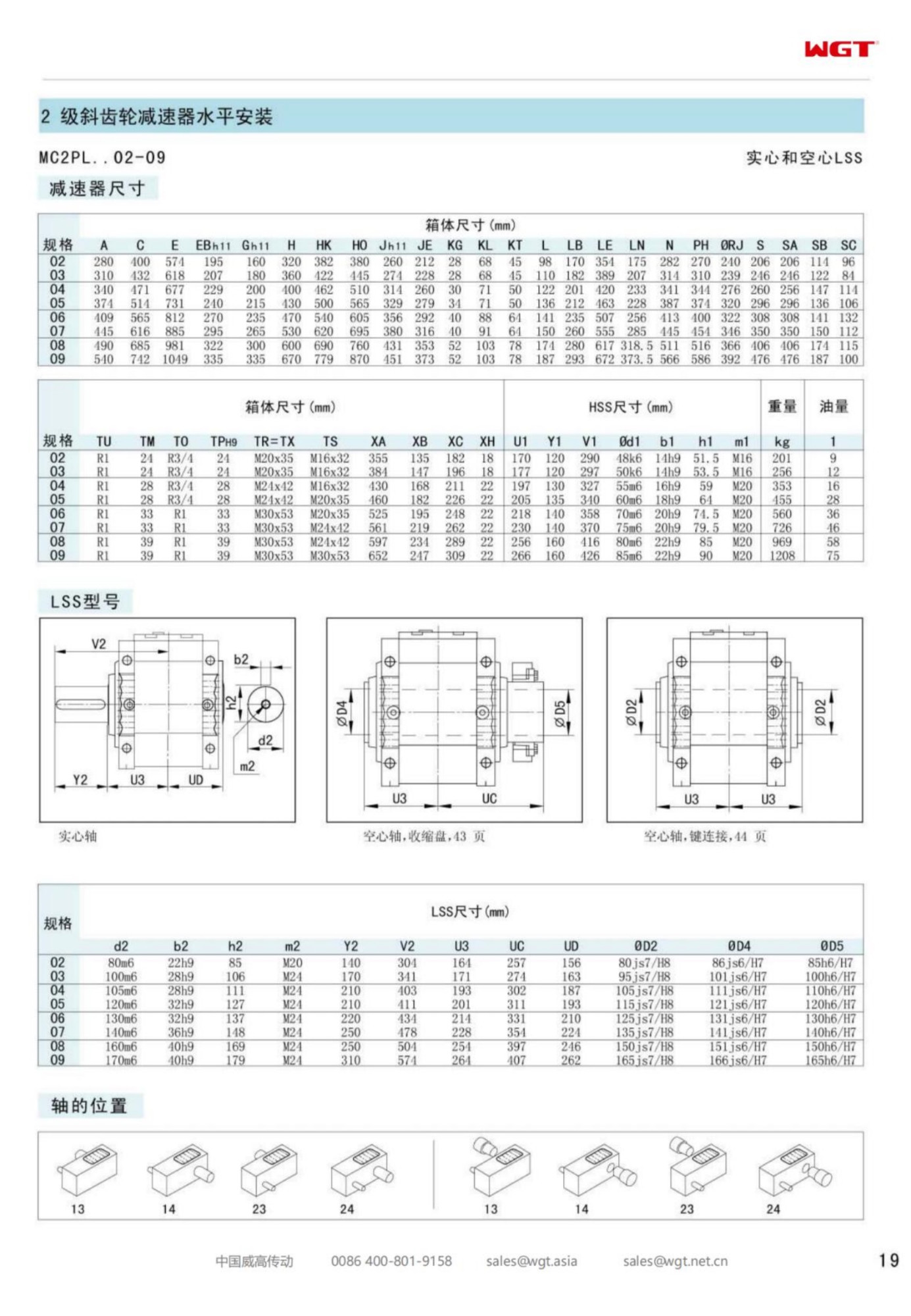
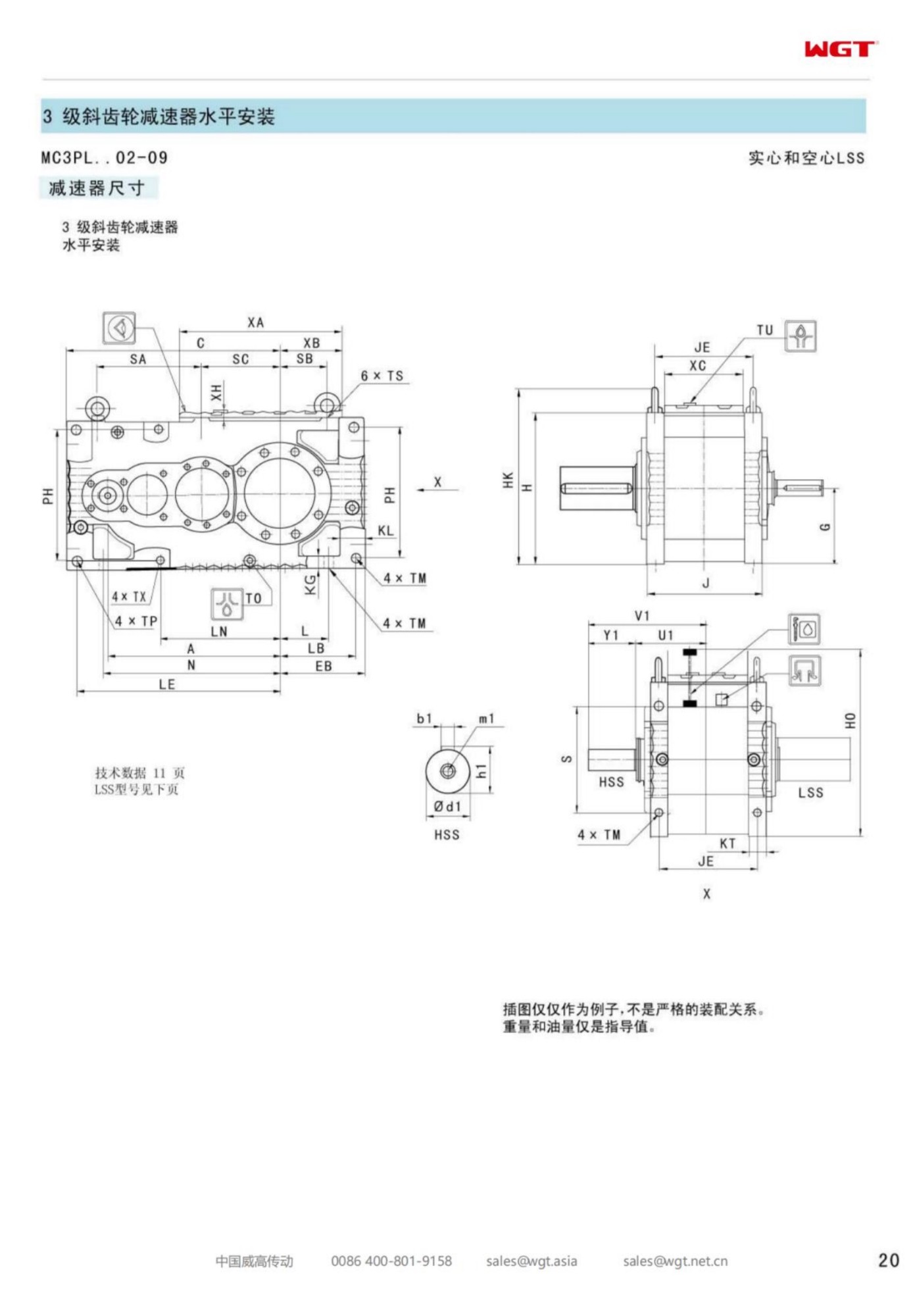
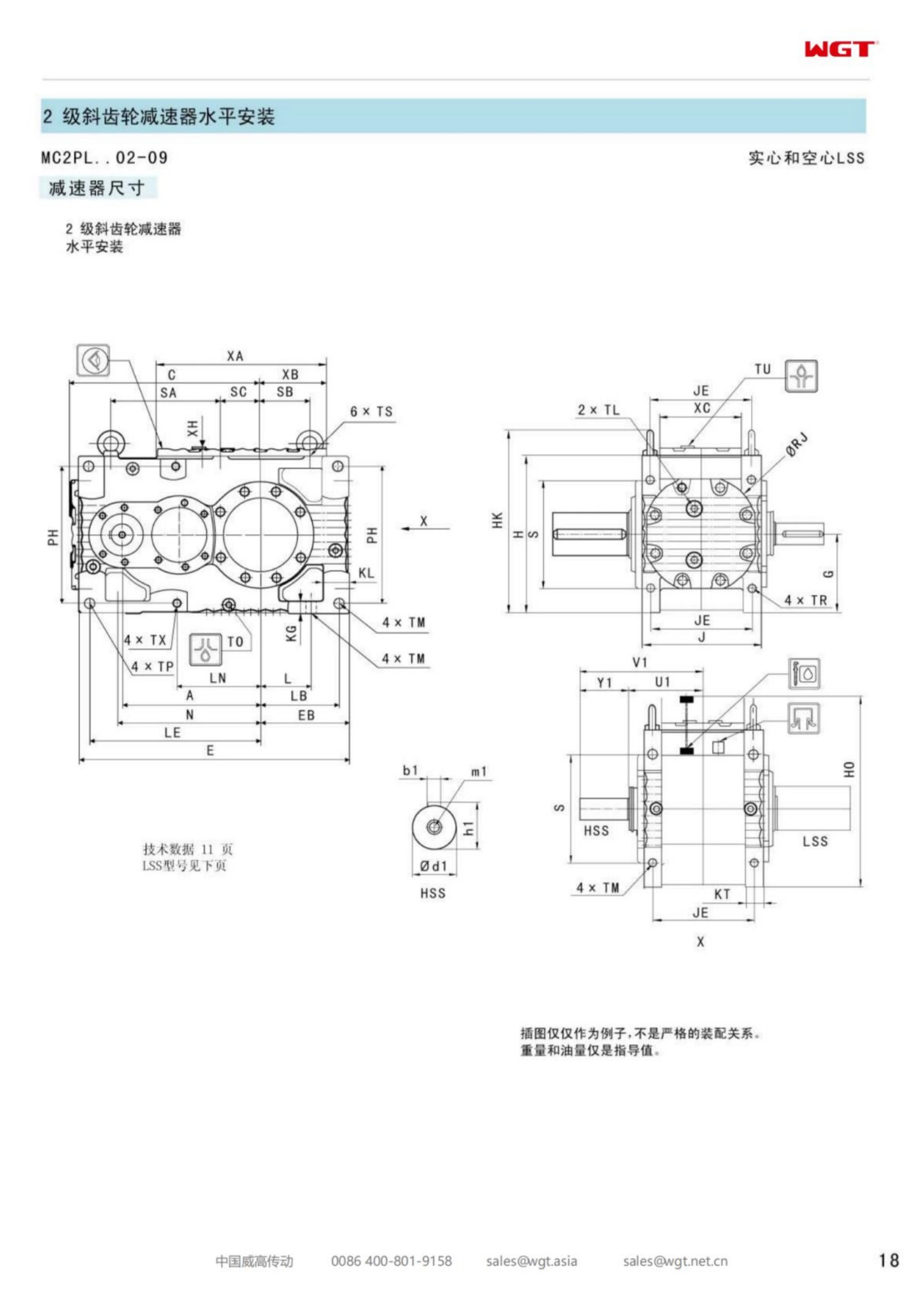
Every plant has one corner where the air itself is part of the duty: the hall beside the cooler, the floor under the furnace, the gallery where dust settles on everything that stands still. The MC2PLST07 torque arm gearbox is the frame of this band that most often ends up in those places, because duties that combine heat, dust and continuous tonnage have usually grown past the frames below it. The gears inside the case are indifferent to most of this; everything around the case is not.
Hot and dusty positions rarely fail in a single dramatic event. They drift: oil life shortens, a breather slowly plugs, a film of dust turns a cooling surface into a blanket, and one winter's day the drive runs warmer than it used to for a reason nobody can name. This page is about holding that drift at zero - the specification decisions that keep a frame seven healthy beside a cooler or a kiln, and the inspection rhythm that notices trouble while it is still a cleaning task.
Frame Seven at the Top of the Band
Frame seven carries the largest duties this solid-shaft, torque-arm construction is asked to serve: the head stations that other conveyors feed, the machines that run through every shift the plant works, and the positions where ambient conditions add their own load. Placing a duty here is usually the sum of several honest numbers rather than one large one - tonnage, hours, ambient temperature, and the service factor the duty's character demands.
The order-time questions are the family's usual ones - ratio, service factor, coupling, bracket - plus the two this page is about: how hot does the position get, and what does the air carry? A buyer who answers those two with measurements rather than adjectives gives the selection engineer what the frame needs: an oil and cooling specification that fits the hall the drive will live in, and a sealing and protection package matched to the dust the plant actually makes.
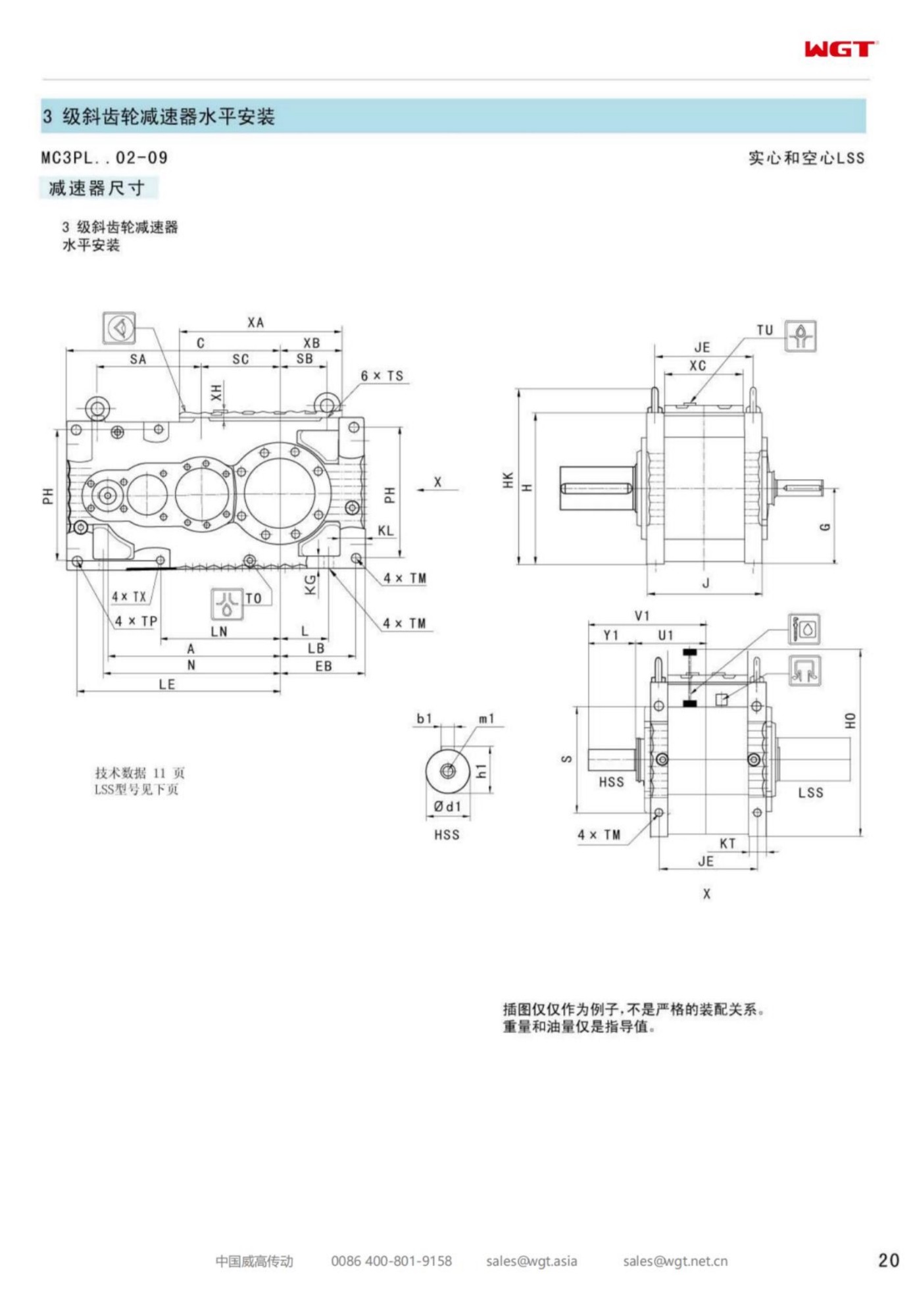
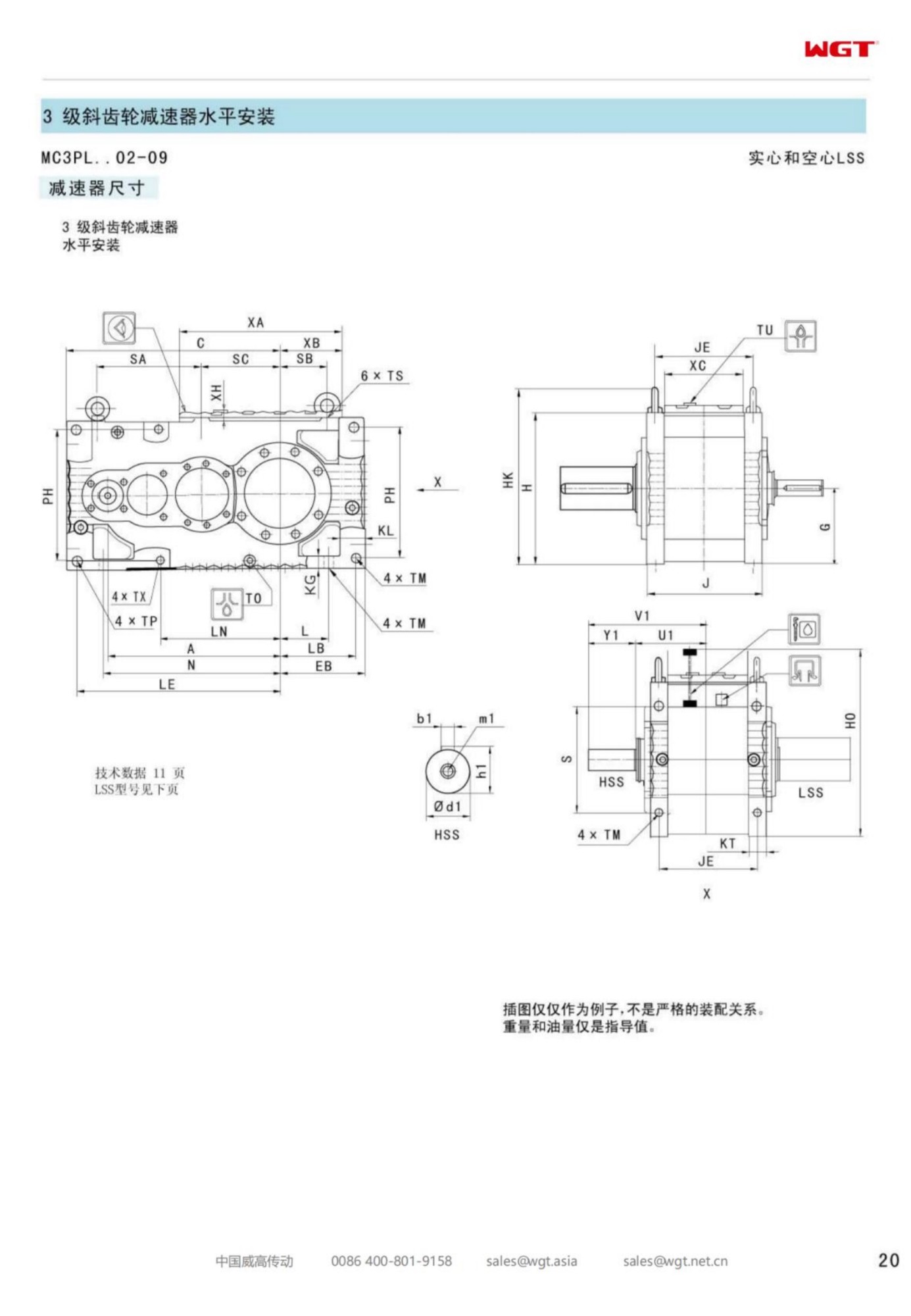
Decoding MC2PLST07
The type string is the family's grammar at its largest expression in this line.
| MC | Industrial gear unit family built for continuous plant duty |
| 2 | Two helical reductions in one level case |
| P | Parallel-shaft layout, input and output on parallel axes |
| L | Level build, both shafts horizontal |
| S | Solid output shaft, torque leaves through a coupling |
| T | Torque arm reaction, no feet, no foundation, no grout |
| 07 | Seventh frame: the band's heaviest duties, often in the plant's harshest corners |
As an order document, the string settles the geometry and the frame; the hall supplies the rest. The oil grade and its interval, the breather type, the sealing set, the paint and the cooling arrangement are all answers to the environment, and they are cheap to specify and expensive to discover. A string sent without the ambient is a complete answer to half the question.
What Heat Does to Oil and Seals
Oil ages by chemistry, and chemistry obeys a rule of thumb every maintenance planner knows: life roughly halves for each ten-degree rise in continuous operating temperature. A gearcase that holds its oil comfortably in a temperate machine hall may be quietly cutting that life in half beside a cooler, and in half again in a summer peak. Nothing fails at once; the oil simply spends its reserve faster than the schedule assumes.
Seals age on the same curve, from the lip outward. A seal that sees hot oil and hot shaft stiffens over the years, and its contact force fades before it visibly leaks. The practical responses are unglamorous and effective: verify the actual oil temperature at the position rather than the catalogue's assumption, set the oil change interval from what the drive measures, and treat any seal on a hot duty as a scheduled consumable with a date, not an indefinite part.
Dust, the Patient Enemy
Dust attacks a gearcase indirectly, which is why it is underestimated. It does not eat the gears; it waits on the cooling surface until the case can no longer shed its heat, rides the breather until the case cannot breathe clean air, and finds the one grease path on the arm pins that nobody regreases. A dusty hall turns every cleaning task skipped into a temperature rise recorded months later.
The defence is ordinary and relentless. Keep the case's cooling surface clean on a schedule tied to the dust load of the hall, not to a calendar written for a clean plant. Keep the breather either a filtered type or one checked at the same interval as the filters in the rest of the hall. And when a new dust source appears - a failed duct, a torn sleeve, a new transfer point - treat it as a change to the drive's environment, because that is exactly what it is.
Breathers and Sealing in Dusty Air
A gearcase breathes: every warm-and-cool cycle moves air in and out through the breather, and in a dusty hall that exchange is the main path for contamination. The standard breather assumes clean air. Above a dusty threshold the breather should be a filtered type, and in the dustiest corners plants fit expansion chambers or remote breathers that move the air intake away from the grit entirely. The cost difference is trivial; the difference in oil cleanliness over five years is not.
The output seal works beside a coupling and a shaft that turn through the same dusty air, and a simple lip seal benefits from whatever the installation can do to keep grit off it: the guard designed to shed rather than collect dust, the grease path on the seal's outer lip where the design provides one, and the discipline of checking the seal at every coupling service. None of these are features of the gearcase alone; they are features of the installation around it, which is why the bracket drawing and the guard drawing belong with the gear unit's documentation.
Oil Choice and Interval for a Hot Frame
The oil specification for a hot position is a small decision with a long echo. A synthetic gear oil of the right viscosity class holds its viscosity and its additive package longer at elevated temperature than a mineral oil of the same grade, and the interval that follows from the drive's measured temperature - not the standard table - is what keeps the film intact between changes. Where the position runs hot enough that the plant has already shortened intervals in other corners of the hall, the gearcase should simply join the same schedule.
Two habits close the loop. Take an oil sample at each change on a hot duty, because the sample history converts the interval from a guess into a record. And keep the sump level honest - a case that runs a litre low sheds less heat and churns more air, and neither of those shows on any inspection sheet until the temperature log does.
Keeping the Case Able to Shed Heat
A frame seven's cooling capacity is mostly its surface, and its surface is exactly what a dusty hall covers first. The remedy ladder mirrors the thermal one: clean the case on a schedule, keep free air moving around it, and only then consider add-on cooling. Where the ambient is genuinely hot rather than merely dusty - a position beside a cooler discharge, say - the cooling options grow in the usual order: a shaft-mounted fan where the air is fit to move, a larger sump where dwell time helps, and forced cooling when the simpler steps have been exhausted and the duty's economics justify a powered component.
What should never happen quietly is insulation by accident. A case buried under settled dust, a guard that blocks the airflow a fan was chosen to provide, or a heat shield installed against radiant heat but sealing the case into its own warm air - each is a thermal rating spent without anyone deciding to spend it. The installation drawings should show the air path as deliberately as they show the bolts.
Duties That Belong on Frame Seven
Positions beside coolers, furnaces and dusty halls, where heat and dust decide the specification:
- Clinker cooler discharge conveyor at a cement plant
- Hot sand return conveyor beside the moulding line at a foundry
- Sinter return belt at a steel works
- Pan conveyor under a lime cooler at a lime plant
- Roaster charge conveyor in a dust-laden smelter hall
- Mill-hall feed belt ahead of the dust collection inlet at a cement grinding plant
What these positions share is the pair of loads no datasheet multiplies together: full mechanical duty and full environmental duty, at the same time. Frame seven exists so that the mechanical answer does not have to be argued down to fit the ambient; the ambient is answered separately, in oil, breathers, seals and airflow.
Motor, Coupling and Guard Beside a Hot Case
The drive around a hot gearcase deserves its own line in the specification. The motor's insulation class and cooling should match the hall's real temperature, not the standard's. The coupling element should be chosen for an ambient that is warmer than the catalogue room. The guard, as noted, should shed dust and pass air. And the electrical protection settings that protect the motor should be reviewed against a duty that starts hot and stays hot, because a motor that trips on a summer afternoon is often the first instrument to report the hall's true temperature.
None of this costs much at order time. All of it costs a great deal at the second summer, when the plant discovers which components were specified for the room the drive actually occupies and which were specified for a drawing office that had never stood in it.
An Inspection Rhythm for a Hot Hall
Hot, dusty positions reward frequency over sophistication. A short weekly look - oil level and temperature at the sight glass, a hand near the case to confirm the usual warmth, a glance at the breather and the seals, a check that the cleaning schedule has actually happened - catches most of what goes wrong in these corners. Monthly, a vibration reading at a fixed point and a temperature recorded in the log turn the weekly impressions into a trend. Annually, the oil sample, the arm pins and bushings, the coupling element and the brake or holdback if the position has one.
The trend is the real deliverable. A case that has run at sixty degrees for three years and reaches sixty-eight after a dusty quarter is telling the plant something specific: its cooling surface has lost the argument with the hall. Found early, the answer is a cleaning crew; found late, it is an oil change, a seal set and a summer of reduced margin.
Consumables Worth Holding for Hot Duty
A frame seven in a hot corner argues for a small, deliberate spares shelf: the output seal set, the breather, the arm pin bushings, the coupling element, and the oil for one full change held on site. None of these are expensive, and every one of them fails on the hall's schedule rather than the warehouse's. A plant that holds them turns a seal event into an afternoon; a plant that does not turns it into a week of running a standby route or waiting on transport.
The consumables list should be written from the gear unit's own documentation at commissioning and kept with the drawings, so the part numbers survive the people. On positions like these, the documentation is the least perishable component the plant owns.
The Enquiry for a Hot, Dusty Position
The enquiry that gets a frame seven right is ordinary and complete: the mechanical duty in the family's usual terms, plus the position's truth - measured ambient in the worst month, the dust the hall makes and what it is made of, the airflow the position actually enjoys, and any radiant source nearby. Add the mounting survey - available steel for the bracket, direction the arm can reach, drain access - and the selection comes back as a package: gearcase, oil and cooling specification, breather and sealing set, and the drawings the hall needs before installation day.
Positions like these have been the quiet backbone of mineral plants for as long as the industry has had conveyors, and the drives that last in them are rarely exotic. They are ordinary frames, specified for the air they breathe and looked at often enough that the air never gets a head start.
Selection Example: Clinker cooler discharge conveyor at a cement plant
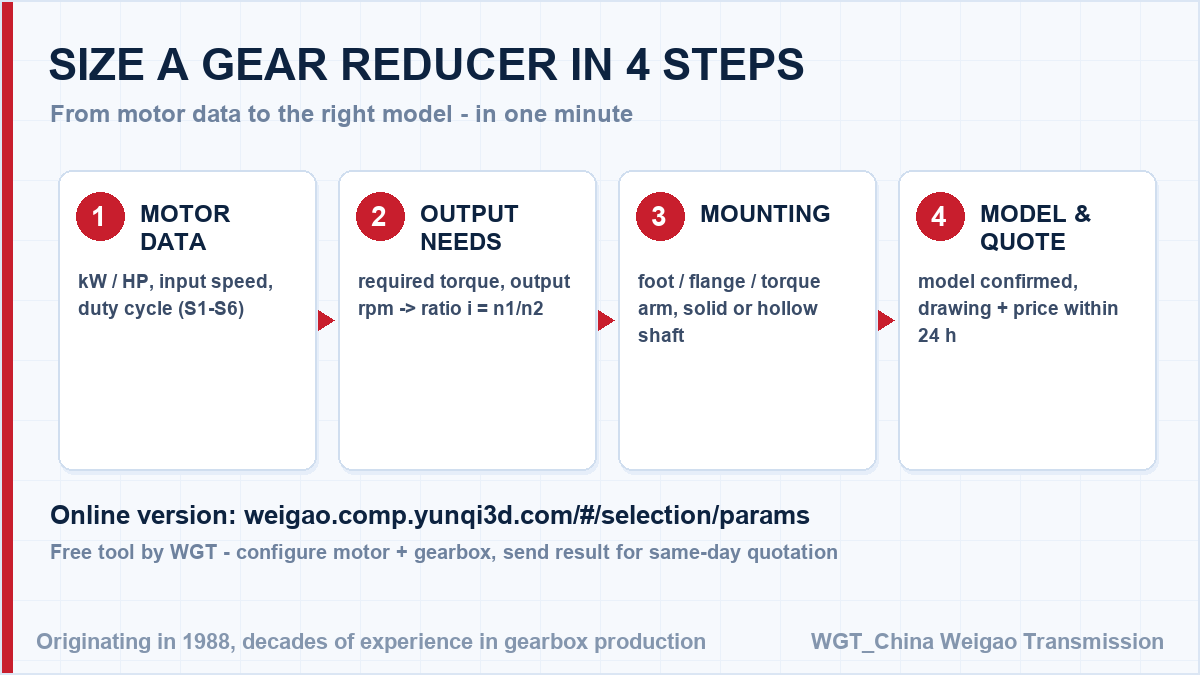
Take a 75 kW motor at 1490 rpm turning the head shaft at 26 rpm. The ratio follows directly: 1490 / 26 = 57.3, so a ratio near i=57 comes out of the top of the two-stage band, and the frame is sized with a service factor for the shock the cooler discharge delivers plus an oil and cooling specification argued from the measured summer ambient in the hall. In this case frame seven holds the duty with thermal reserve to spare, and the specification is completed by the environment package - filtered breather, scheduled seal set and a cooling surface the dust crew can actually reach. Work through the same three steps - speed, output speed, torque - and the model number falls out; we verify it against the duty class before quoting.
![gear reducer ratio calculation steps]()
From duty point to model number - the same four steps every time.
Applications in Industry
Automatic car-wash line
A car-wash equipment builder fits hollow-shaft reducers to its conveyor chains. The compact frame hides inside the wash tunnel, and FKM seal options handle the constant moisture.
Textile dyeing drums
A dyeing machine maker uses speed reducers on its fabric-turning drums. Low vibration (under 20 microns) prevents streaks in the fabric, and the 94-96% efficiency keeps the heat load down in a warm workshop.
![gear reducer industries served - WGT]()
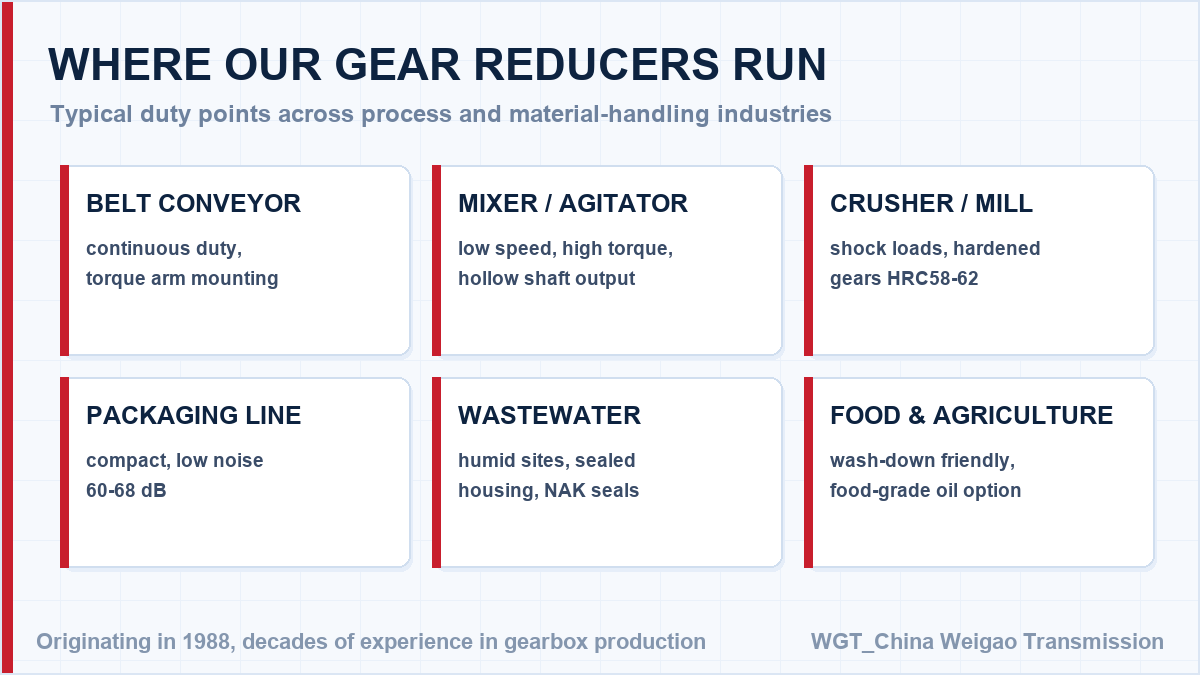
Industry map: the sectors where the M3 series is most common.
Buyer Questions and Answers
What warranty and documentation come with the gearbox?
A one-year warranty covers material and workmanship. Each unit ships with a test record (noise, temperature rise, backlash), a dimension drawing and an installation manual.
How do I calculate the ratio I need?
Divide motor speed by the target output speed (i = n1/n2), then check the required torque against the rating table with your service factor. The online selector below does this automatically.
M3 Series Model Overview
| Model | Centre distance | Output | Typical duty |
|---|
| M3PSF50 | size 50 | solid shaft, foot | conveyors, feeders |
| M3PSF60 | size 60 | solid shaft, foot | crushers, mixers |
| M3PSF70 | size 70 | solid shaft, foot | ball mills, shredders |
| M3PSF80 | size 80 | solid shaft, foot | kilns, heavy conveyors |
| M3PSF90 | size 90 | solid shaft, foot | mill and kiln drives |
| M3RSF50 | size 50 | solid shaft, foot, right-angle | inclined conveyors, elevators |
| M3RSF60 | size 60 | solid shaft, foot, right-angle | screw classifiers, feeders |
| M3RHF70 | size 70 | hollow shaft, foot, right-angle | agitators, drum drives |
| M3PHT80 | size 80 | hollow shaft, torque arm, parallel | shaft-mounted conveyors |
| M3RHT90 | size 90 | hollow shaft, torque arm, right-angle | heavy shaft-mounted drives |
The series is sized for continuous heavy duty rather than by motor power alone: the required torque with the service factor decides the frame, and the stage count (2 to 5) decides the ratio band.
Drawings, Ratings and Test Records on Request
Need the paperwork first? Run your duty point through the WGT Motor & Gearbox Online Selection System first: it saves a round of emails and gets you to a firm price faster.
We issue dimension drawings, rating tables and sample test records in English for your approval package, before the order is placed. Engineering and purchasing sign-off without delays. Looking for a speed reducer for bucket elevator? Tell us the duty point and we will confirm the model in writing.