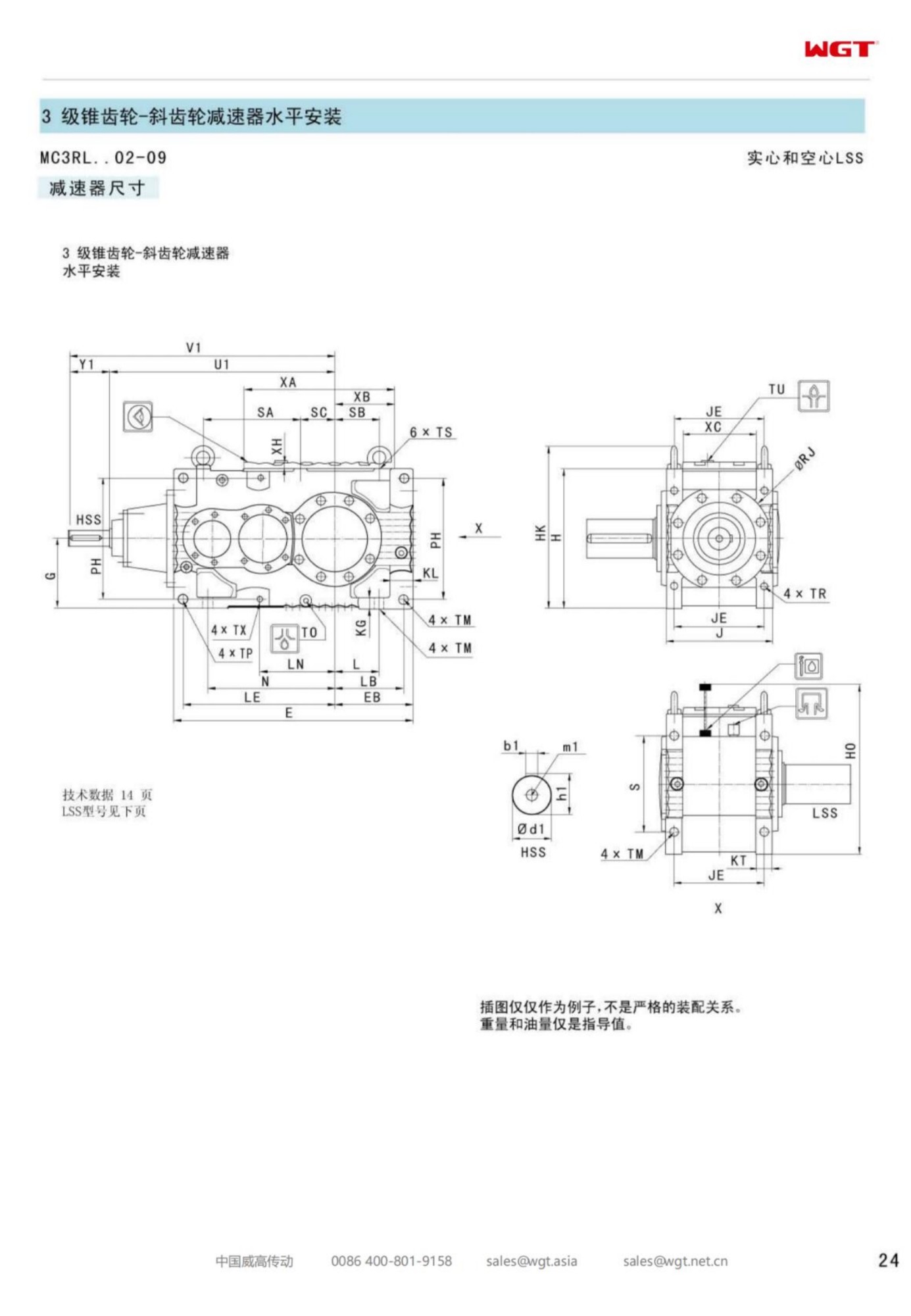
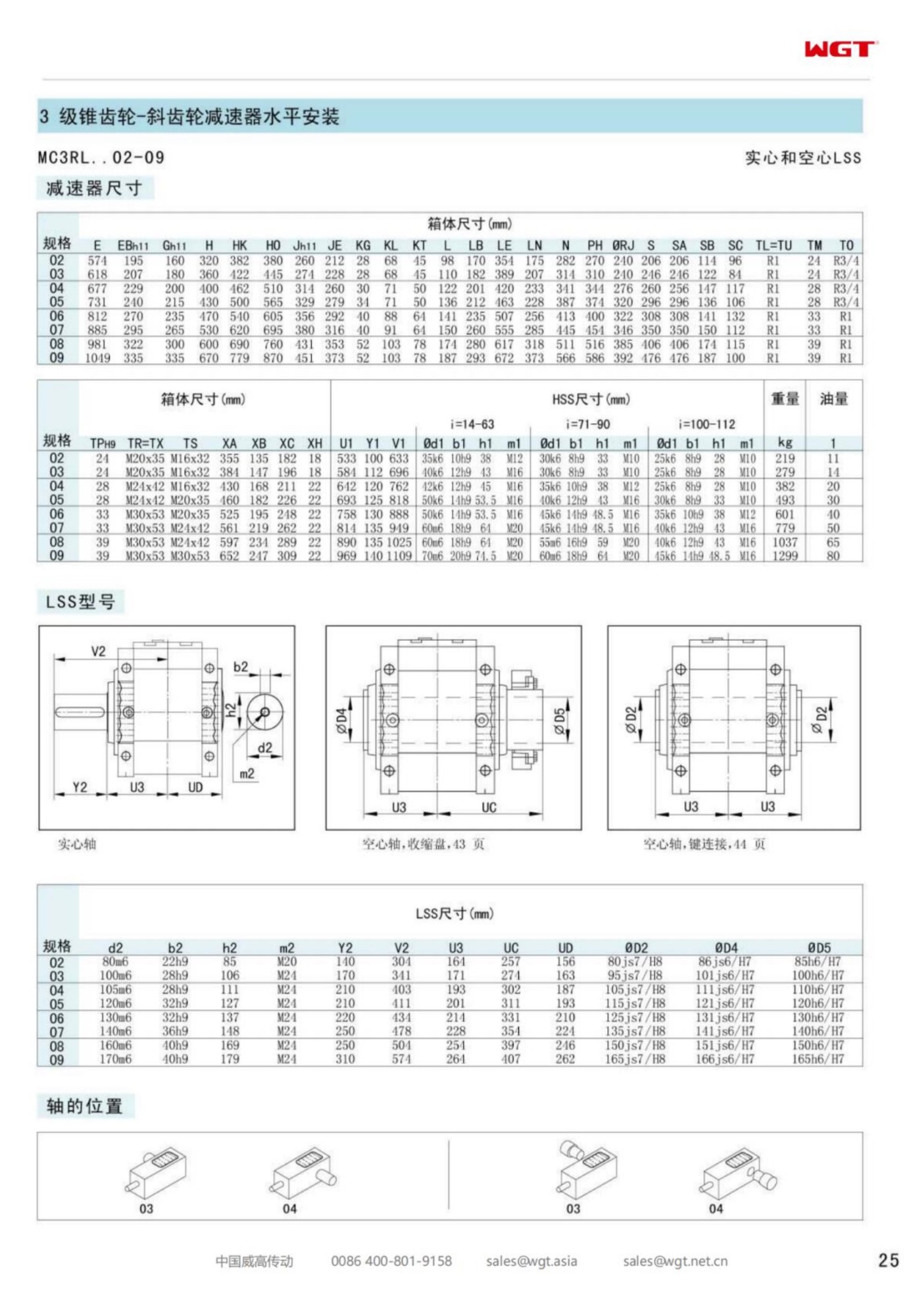
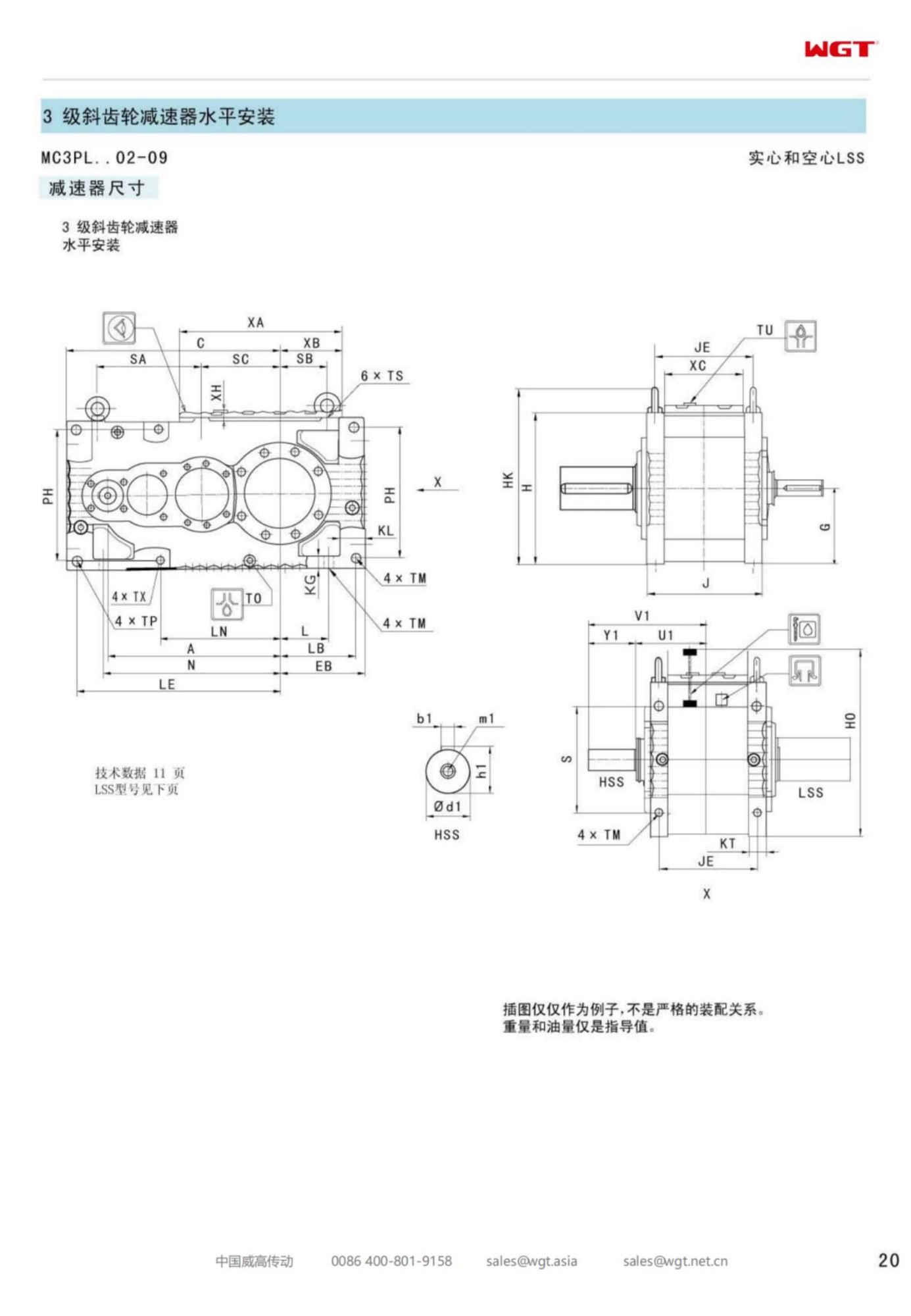
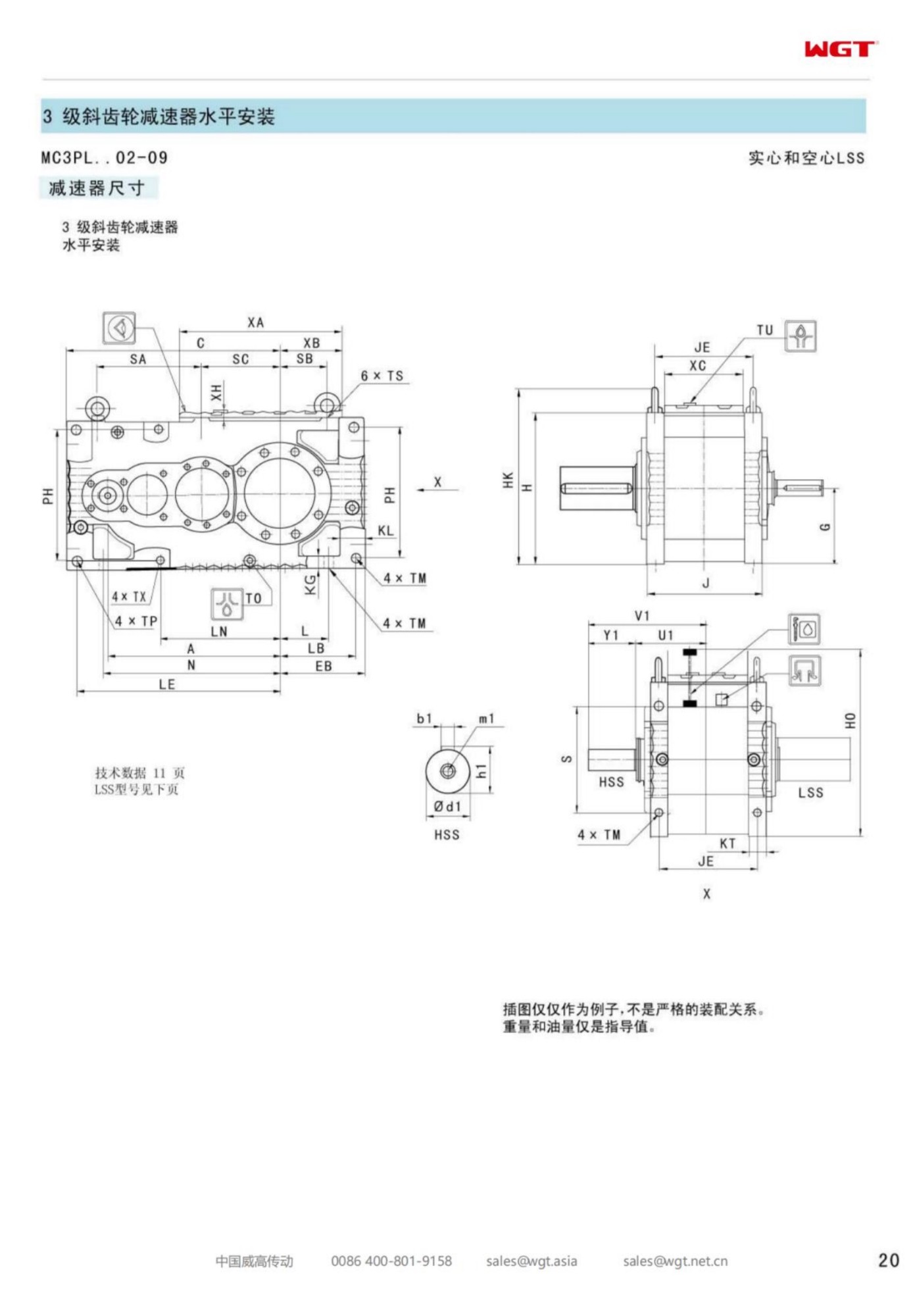
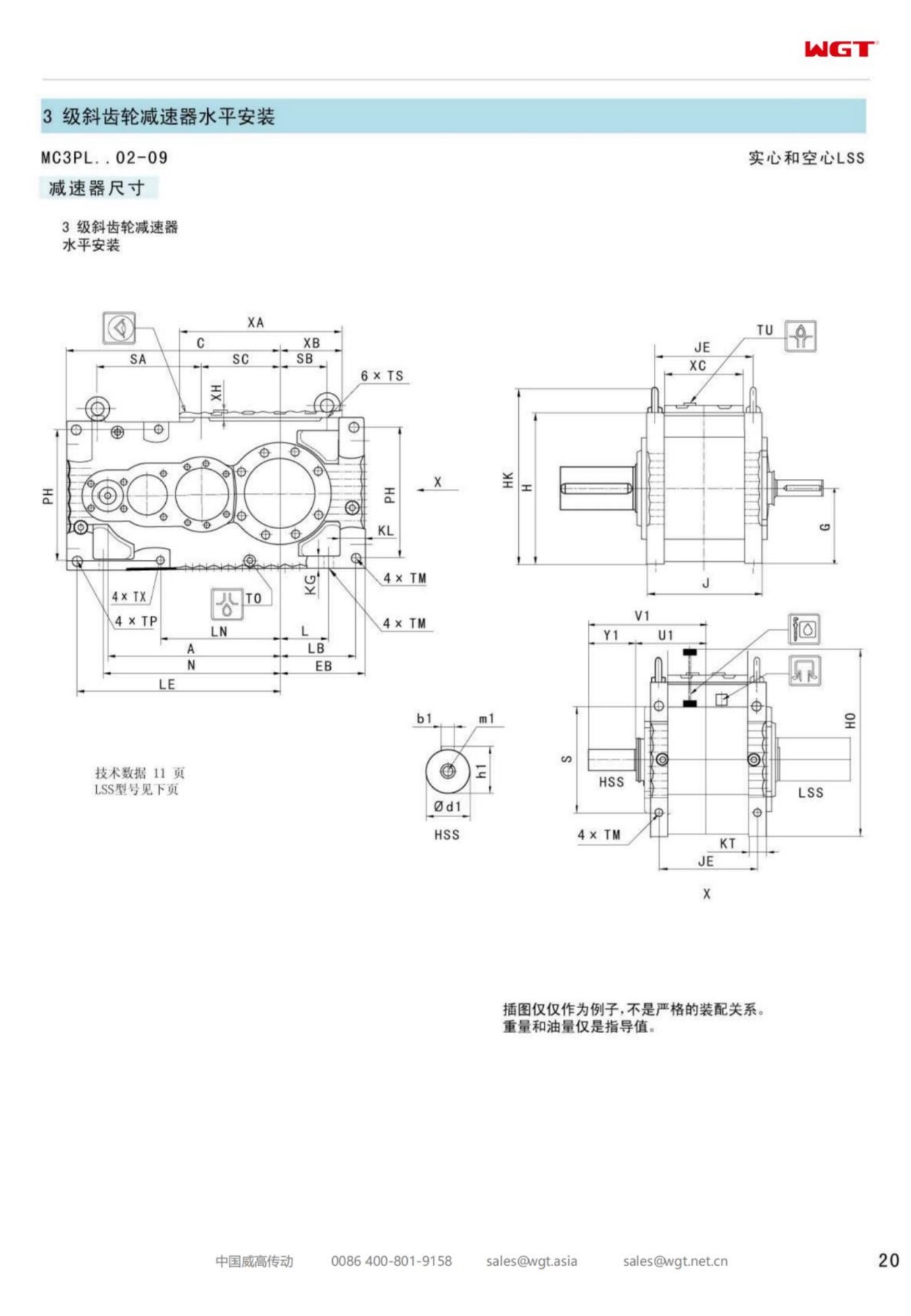
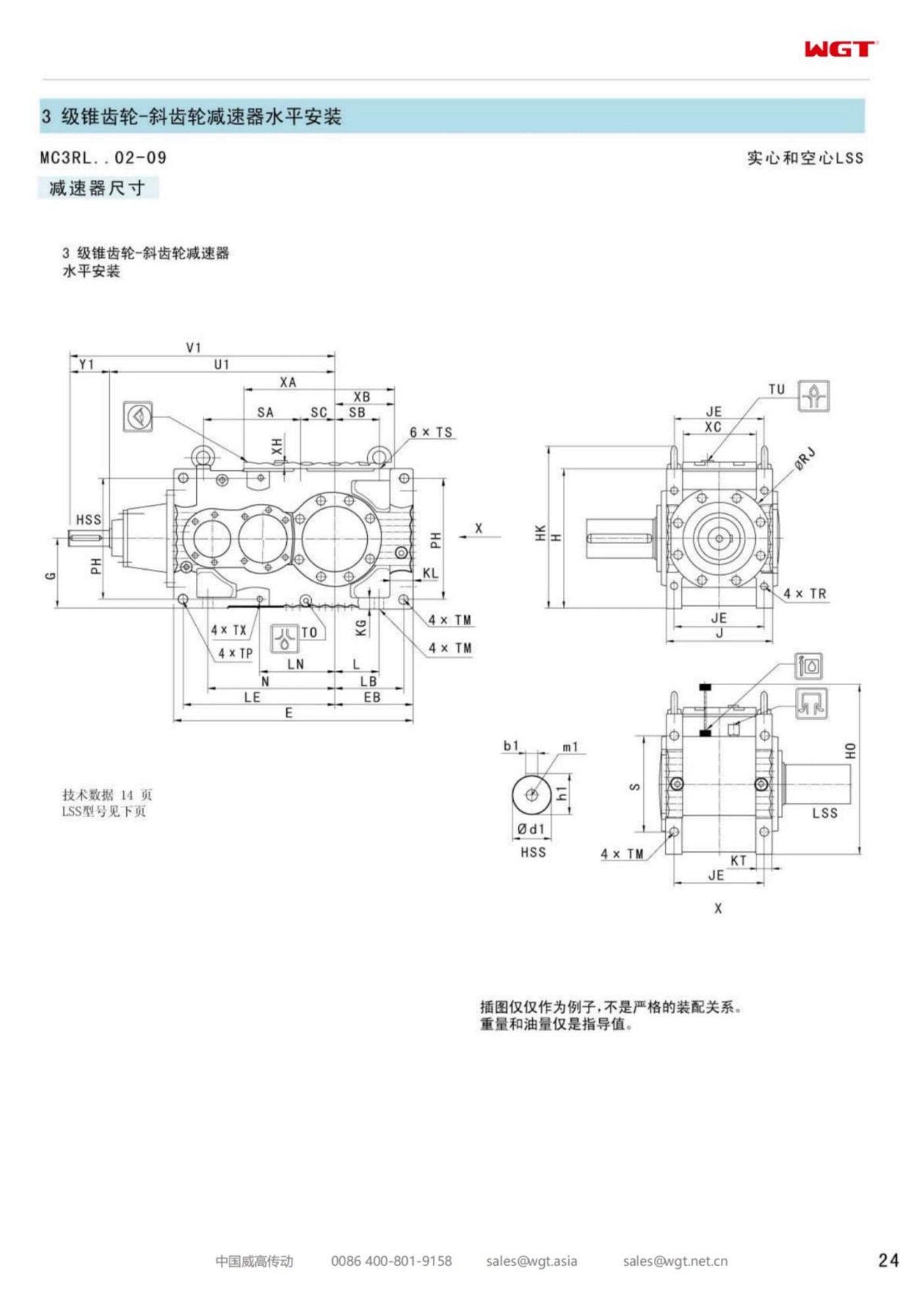
At the bottom of a waste-to-energy plant, below the grate where the fire ends, the bottom ash extractor does the work nobody photographs. It pulls burning-adjacent residue out of the furnace into a quench, at a speed measured in metres per hour and a torque that never averages, in air that is hot, wet, abrasive and chemically unkind. Slow, heavy, continuous duty under the worst conditions in the building - that is the three-stage band's address, and the MC3RLHT09 right-angle hollow shaft gear unit is its largest standard frame there.
The notes below cover what hot ash and quench steam do to a drive, why the extractor restart is the sizing case, and how to write the enquiry so the unit that arrives is specified for the basement rather than for the brochure.
Ash, Heat and the End of the Fire
Bottom ash leaves the furnace still carrying heat, still carrying unburned metal, and carrying grit that has just been through the hottest part of the plant. The extractor meets it at the chute and carries it into the quench, and everything the ash is, the drive's environment becomes.
That environment is the specification's starting point. Radiant heat, steam, abrasive dust and intermittent chemistry arrive together, and the drive that survives them is specified part by part - case, seals, breather, oil, paint - rather than chosen from a table.
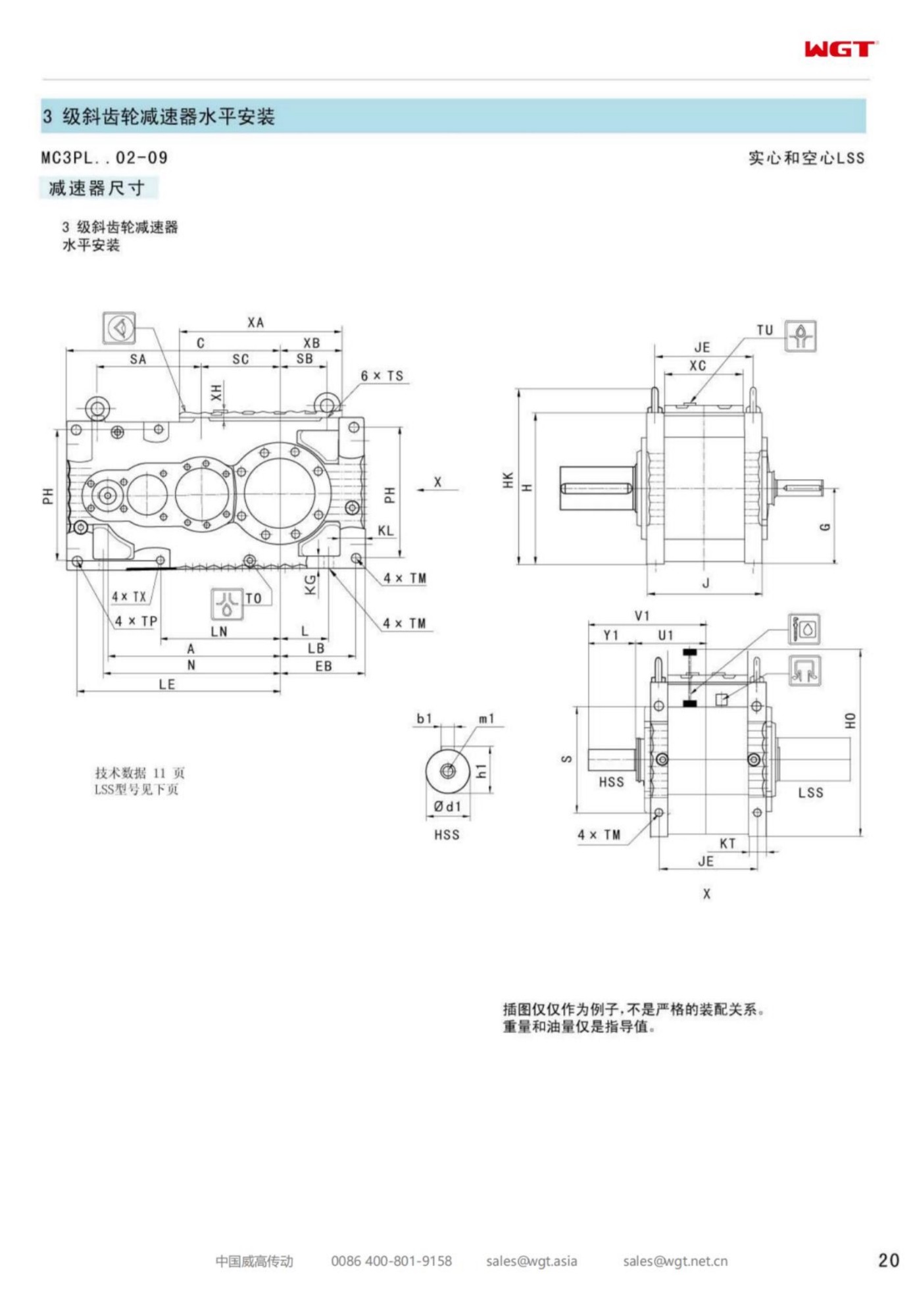
Reading the MC3RLHT09 String
The code answers the plant's questions in nine characters.
| MC | Industrial gear unit family for continuous plant duty |
| 3 | Three stages in the case - two helical reductions into a bevel set |
| R | Right-angle build, the motor set back from the ash path |
| L | Level output axis along the extractor line |
| H | Hollow output bore keyed onto the extractor head shaft |
| T | Torque-arm bracket, reaction into the plant structure |
| 09 | Ninth frame, the largest standard of the three-stage band |
Three stages turn a loaded extractor at crawl speed from a motor the electrical room can supply, and the right-angle input keeps the motor out of the steam envelope where nothing electrical wants to live.
Three Stages for a Slow Extractor
An extractor runs slowly because ash needs residence time in the quench, and because the conveyor flights under it must carry, not throw, their load. Slow continuous duty at high torque is precisely the operating point where a third reduction pays: more torque from the same motor, in a case that still fits the basement gallery.
The extra mesh works harder internally, so oil condition carries more of the reliability. A sampling point, a fixed interval and a water-content watch are the three cheap habits that separate the plants whose extractors run for years from the plants that know theirs by their failures.
Hot Ash and the Case Wall
Radiant heat from the ash chute raises the case temperature above any hall assumption, and the paint, the oil and the seals all answer to it. A case specified for a 40-degree basement meets a different basement in the first summer of operation.
Name the measured or estimated radiant condition on the enquiry. The oil grade, the paint system and the seal material all have variants for heat, and they are chosen at order stage for the cost of a sentence - afterwards, they are chosen during a shutdown, which is the expensive way.
Hollow Bore in a Basement Nobody Visits
The extractor gallery is a place people pass through, not a place they work, and the drive is mounted accordingly: on the shaft, in the corner, with the least clearance the layout allows. The hollow bore earns its place by removing a coupling that nobody would have room to align and nobody would visit to check.
Because the bore carries the whole torque path, the shaft drawing and its condition decide the fit. Basement shafts live with water and grit; measure, clean and check the key at assembly, and the mount will outlast the gallery's paint.
Torque Arm and the Structural Frame
The extractor's structure carries the chute, the quench trough and the walkways, and it has usually been modified at least once since the drawings were issued. The torque arm lands in that landscape and reacts against it, in both directions when the extractor is stalled and barred back.
Keep the stay square to the reaction on a primary member, spread the load with a plate, and inspect the anchors during the plant's shutdown windows. A structure that has grown a pipe run since commissioning is a structure whose spare corner was never designed for a reaction.
Quench Water, Steam and the Seals
The quench is the extractor's best friend and the drive's worst neighbour. Steam carries moisture into every housing, quench splash finds the lowest seal, and the water is neither clean nor gentle. Seals in this corner are consumables by design; the question is whether they are designed-in consumables or surprises.
A dust or water lip ahead of the main seal, a shaft path specified smooth and hard, and a seal kit on the spares shelf from the first day are the working answers. Fit the second seal before the first one fails and the extractor never learns to stop.
Grit at Every Speed
Ash grit is harder than most of what a gearbox meets, and it is airborne in the extractor gallery. It abrades shafts at the seal path, packs breathers and finds every unsealed joint on the case. The breather story matters more here than almost anywhere else in the plant.
Specify a breather suited to dust and moisture, covers with real gaskets, and a case position that avoids the direct steam plume where the layout allows. Then wipe the case down on a schedule; grit that is removed weekly never becomes grit that is working into a lip.
Intermittent Duty and the Trip Story
Extractors stop when the furnace stops, and they restart against a bed that has settled, drained and set while the plant was down. The restart after a long outage is the highest-torque event of the extractor's year, and it arrives when the plant is already behind schedule.
Size the service factor on that restart, describe the standing condition on the enquiry, and give the control system a staged start. A drive that trips on the restart after every outage is a drive whose sizing conversation happened with the wrong number on the table.
Chemistry and the Paint System
Flue gases, quench additives and the waste stream's own variety put a chemistry over the basement that changes from plant to plant. Paint that thrives in one facility dulls in another, and fasteners are the first to report.
Name the chemistry you know - additives, measured pH of the quench, any known aggressors - on the enquiry, and let the paint and fastener specification be chosen against it. The cost difference is small; the difference at year five is written on the case in rust.
Writing the Enquiry for an Ash Plant Drive
The enquiry that gets this frame right describes the basement as it is: extractor type, shaft dimensions and condition, running and restart torque, the radiant and ambient temperatures, the quench chemistry, the steam and grit in the air, and the structure available for the stay.
The reply should answer as a package: bore and key against the measured shaft, ratio and output speed, service factor argued on the restart after the long outage, seals and spares for steam and grit, oil and paint chosen for the measured conditions, and arm geometry drawn against the real structure. Then the unit runs the campaigns while the fire gets the attention.
A Frame Nine at the Bottom of the Fire
Ash plants are judged across outages, when the furnace has been serviced and the basement has been forgotten until something stops. The drives that come through are the ones whose seals were changed on schedule, whose oil was sampled for water, and whose anchors were checked while the plant was open anyway.
Frame nine carries its half with three stages that turn a settled bed at crawl speed, a hollow bore that spares a coupling nobody could align, and a specification written for the chemistry that actually lives down there. The fire carries the rest - and the fire never asks permission.
Hot ash, quench steam and a restart after every outage - three stages crawl through it:
- Bottom ash extractor conveyor at a waste-to-energy plant
- Wet ash discharger under a grate-fired furnace
- Slag conveyor at an industrial incineration line
- Quench trough drag chain in a biomass energy plant
- Ash screw feed to a residue loading silo
- Fly ash conditioning screw at the treatment building
Full Frame Range of the M3 Series
| Model | Centre distance | Output | Typical duty |
|---|
| M3PSF50 | size 50 | solid shaft, foot | conveyors, feeders |
| M3PSF60 | size 60 | solid shaft, foot | crushers, mixers |
| M3PSF70 | size 70 | solid shaft, foot | ball mills, shredders |
| M3PSF80 | size 80 | solid shaft, foot | kilns, heavy conveyors |
| M3PSF90 | size 90 | solid shaft, foot | mill and kiln drives |
| M3RSF50 | size 50 | solid shaft, foot, right-angle | inclined conveyors, elevators |
| M3RSF60 | size 60 | solid shaft, foot, right-angle | screw classifiers, feeders |
| M3RHF70 | size 70 | hollow shaft, foot, right-angle | agitators, drum drives |
| M3PHT80 | size 80 | hollow shaft, torque arm, parallel | shaft-mounted conveyors |
| M3RHT90 | size 90 | hollow shaft, torque arm, right-angle | heavy shaft-mounted drives |
Every frame in the table can be ordered with alternative shaft and mounting styles. If you are matching an existing installation, send the nameplate details and we confirm the equivalent frame in writing.
Installation Snapshots
Wood chipper line
A board mill drives its drum chipper with a heavy-duty gear unit. Knife engagement shocks arrive several times a second, and the case-hardened gearing with generous bearing spans has shown no measurable wear.
Fertiliser plant drag chain
A fertiliser complex runs drag-chain conveyors on industrial gear units in a corrosive atmosphere. The heavy-duty epoxy coating and FKM seals have kept the units presentable and leak-free through several campaign cycles.
Selection Example: Bottom ash extractor at a waste-to-energy plant
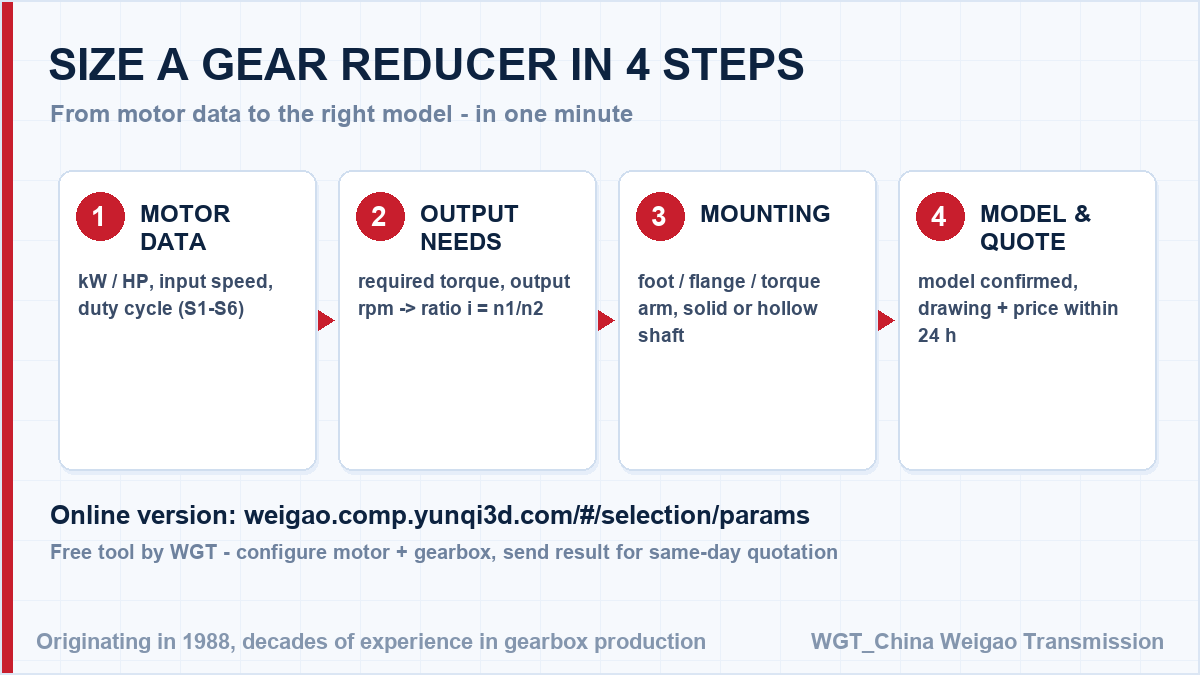
Take a 37 kW motor at 1460 rpm turning the extractor at 6 rpm. The ratio follows directly: 1460 / 6 = 243, so a ratio near i=240 comes out of the three-stage right-angle band, and the frame is confirmed against the restart after a long outage with the bed settled and drained, not against the running crawl. In this case frame nine tops the band with crawl-speed torque from the largest standard case, a hollow bore into a shaft that lives with water and grit, and a specification written for steam, chemistry and a basement nobody visits. Use the same method for any frame in the series, then confirm the service factor with us - it is the one number buyers most often get wrong.
![speed reducer selection process diagram]()
The selection path we follow when checking your enquiry.
Technical Q&A
What ambient temperature range can the unit work in?
Standard units suit -10 to +40 deg C ambient with the supplied mineral oil. For lower temperatures we fill with synthetic oil; for higher ambient or frequent starting we advise the next larger frame or an oil cooler.
What are the delivery lead times and shipping terms?
Standard lead time is 5-10 weeks ex-works, with popular ratios often available sooner. We quote EXW, FOB NINGBO / SHANGHAI or CIF, and urgent units can be air-freighted within 72 hours of payment.
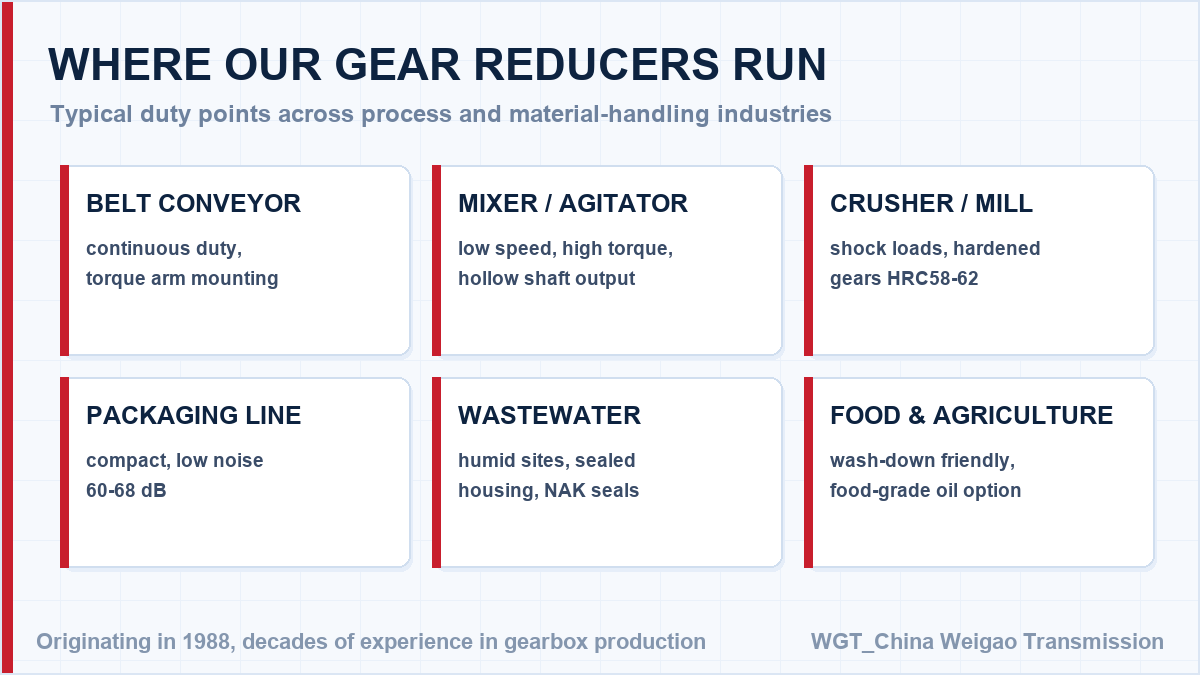
![speed reducer use cases across sectors]()
Typical installation environments for this gearbox family.
Get the Selection Checked - Free of Charge
Already picked a model? One screen in the WGT Motor & Gearbox Online Selection System is usually enough to pin down the frame size; we confirm the service factor afterwards.
Send us your calculated model and duty point. We cross-check the ratio, torque and service factor independently and confirm or flag the difference - a free second pair of engineer eyes. Looking for a gear motor for car wash system? Tell us the duty point and we will confirm the model in writing.